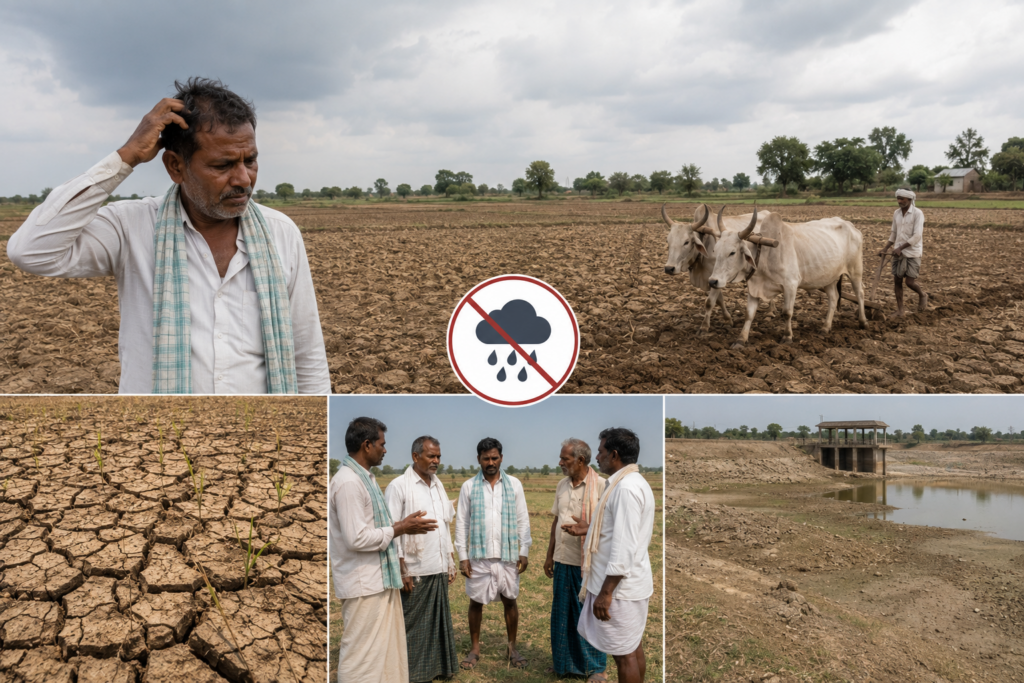

Agricultural News

Farmers Await Rythu Bharosa Funds Ahead of Kharif Season

Farmers across Nirmal district are eagerly awaiting the release of financial assistance under the Rythu Bharosa scheme, which is scheduled to begin from June 26, 2026. The much-anticipated support is expected to provide timely relief to cultivators as they prepare for Kharif agricultural operations amid uncertain monsoon conditions and rising cultivation expenses. Under the scheme, eligible farmers will receive financial assistance of ₹6,000 per acre through direct bank transfers. The assistance is intended to help farmers meet immediate agricultural requirements, including the purchase of seeds, fertilizers, pesticides, labor, and other essential inputs needed for crop cultivation. The upcoming disbursement comes at a crucial time, as many farmers are facing challenges related to delayed rainfall, poor crop germination, and increasing production costs. Agricultural communities believe that the financial support will ease the burden of seasonal investments and enable them to continue farming activities without resorting to high-interest borrowing. Officials have stated that the direct benefit transfer mechanism ensures that assistance reaches beneficiaries quickly and transparently. Necessary arrangements have been made to facilitate smooth fund transfers, and farmers have been advised to ensure that their bank account and land records are updated to avoid delays. Farmer organizations and agricultural leaders have welcomed the initiative, describing it as an important source of support during the early stages of the Kharif season. They noted that timely financial assistance can play a significant role in improving agricultural productivity and reducing financial stress among cultivators. With the release date approaching, farmers across the district are hopeful that the scheme will provide much-needed assistance and strengthen preparations for the ongoing agricultural season.

Farmers Await Rythu Bharosa Funds Ahead of Kharif Season Read More »
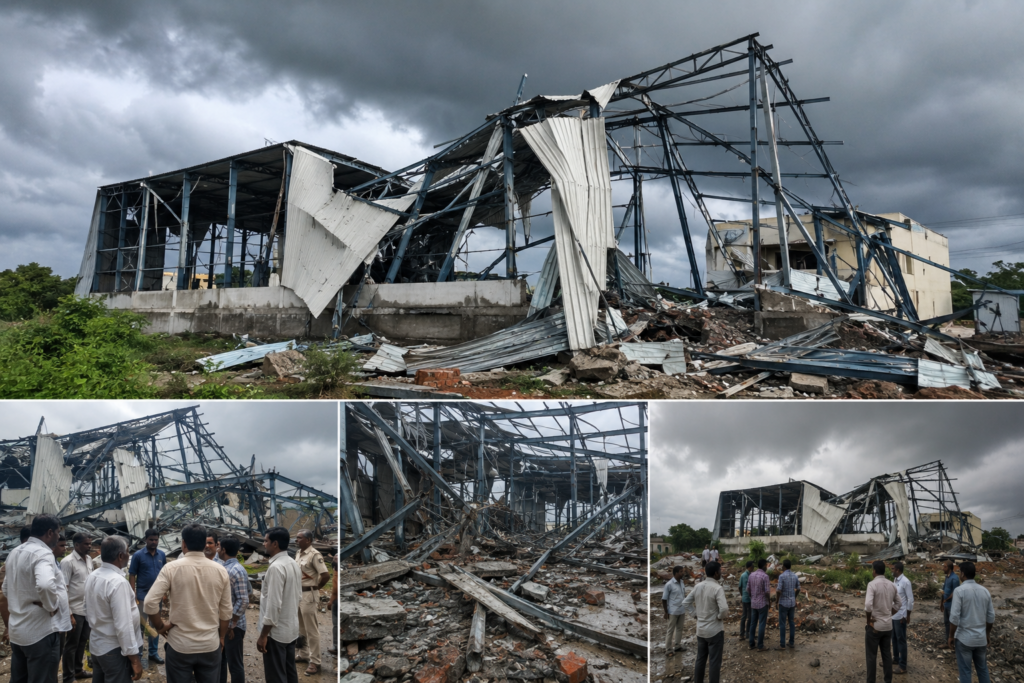
Strong Winds Bring Down Under-Construction Rice Mill in Dildar Nagar

Severe pre-monsoon winds and thunderstorms caused significant structural damage in Dildar Nagar after an under-construction rice mill collapsed during adverse weather conditions. The incident has drawn attention to the vulnerability of large industrial and agricultural infrastructure projects during periods of intense weather activity. According to local reports, strong gusty winds accompanied by thunderstorms swept through the area, placing immense pressure on the partially completed structure. Unable to withstand the force of the weather, major portions of the rice mill’s steel framework and roofing reportedly gave way, resulting in the collapse of the construction site. Fortunately, no casualties or injuries were reported in the incident. As the collapse occurred during unfavorable weather conditions, workers were either absent or had moved to safer locations, preventing what could have been a serious accident. Local authorities and concerned officials visited the site to assess the extent of the damage and gather information regarding the cause of the structural failure. Preliminary observations suggest that the high-velocity winds associated with the storm were the primary reason behind the collapse, though technical inspections are expected to determine whether additional factors contributed to the incident. The event has raised concerns about the resilience of agricultural and industrial infrastructure against increasingly unpredictable weather patterns. Rice mills play an important role in the local agricultural economy by supporting storage, processing, and marketing activities for farmers. Residents and stakeholders have called for stricter safety standards and structural assessments for large construction projects, particularly during the monsoon and pre-monsoon seasons. Officials are expected to review the incident and recommend measures to improve construction safety and disaster preparedness in the future.

Strong Winds Bring Down Under-Construction Rice Mill in Dildar Nagar Read More »

Seed Melas Organized Across Nirmal to Support Kharif Farmers

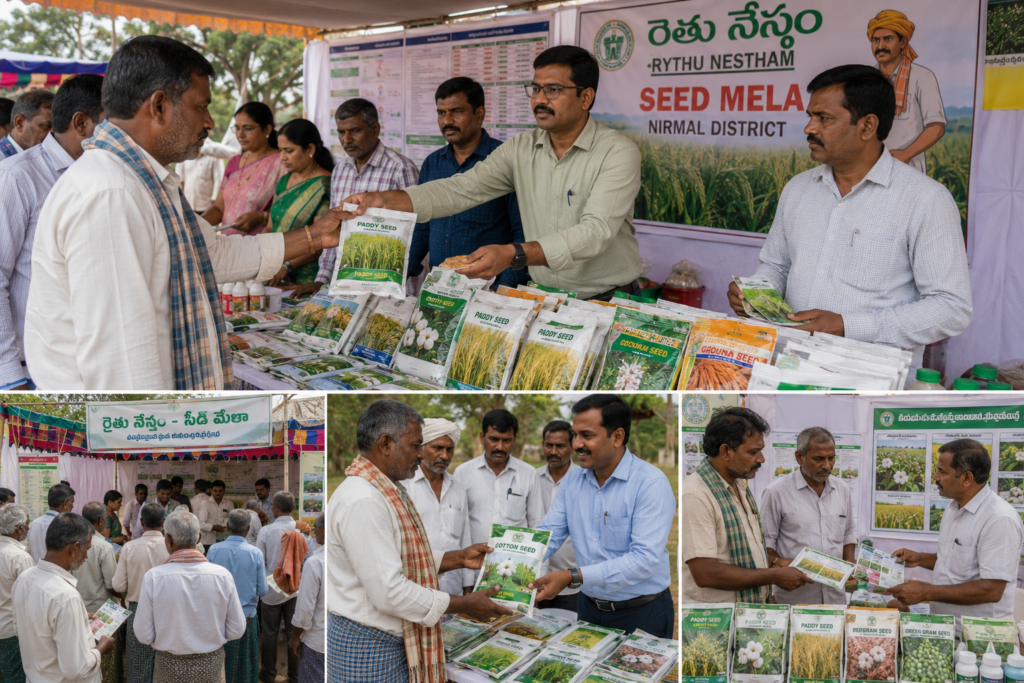
To ensure farmers have timely access to quality agricultural inputs ahead of the Kharif season, Seed Melas are being organized across Nirmal district under the state government’s Rythu Nestham initiative. The program aims to help cultivators obtain certified and high-quality seeds, enabling better crop establishment and improved agricultural productivity. Agriculture officials have set up these special seed distribution events in various mandals to make quality seeds easily accessible to farmers before large-scale sowing activities begin. The melas are designed to create awareness about the importance of using certified seeds, which play a crucial role in achieving higher germination rates, better crop health, and improved yields. During the events, farmers are being provided information on suitable crop varieties, seed treatment practices, and recommended cultivation techniques. Agricultural experts are also interacting directly with cultivators to address their concerns regarding rainfall conditions, crop planning, and seasonal farming strategies. Officials stated that the initiative is particularly important this year due to uncertainties surrounding monsoon rainfall and the need for farmers to make informed decisions about sowing operations. By ensuring the availability of quality seeds, the department aims to reduce risks associated with poor germination and crop failure. Farmers attending the melas have welcomed the effort, noting that access to certified seeds can significantly improve agricultural outcomes while reducing losses caused by inferior planting material. The program also serves as a platform for disseminating the latest agricultural advisories and government support measures. Authorities expect the Seed Melas to play a key role in strengthening Kharif preparedness and supporting farmers as they begin cultivation activities across the district.

Seed Melas Organized Across Nirmal to Support Kharif Farmers Read More »

Agriculture Department Activates Contingency Crop Plans Amid Rainfall Uncertainty

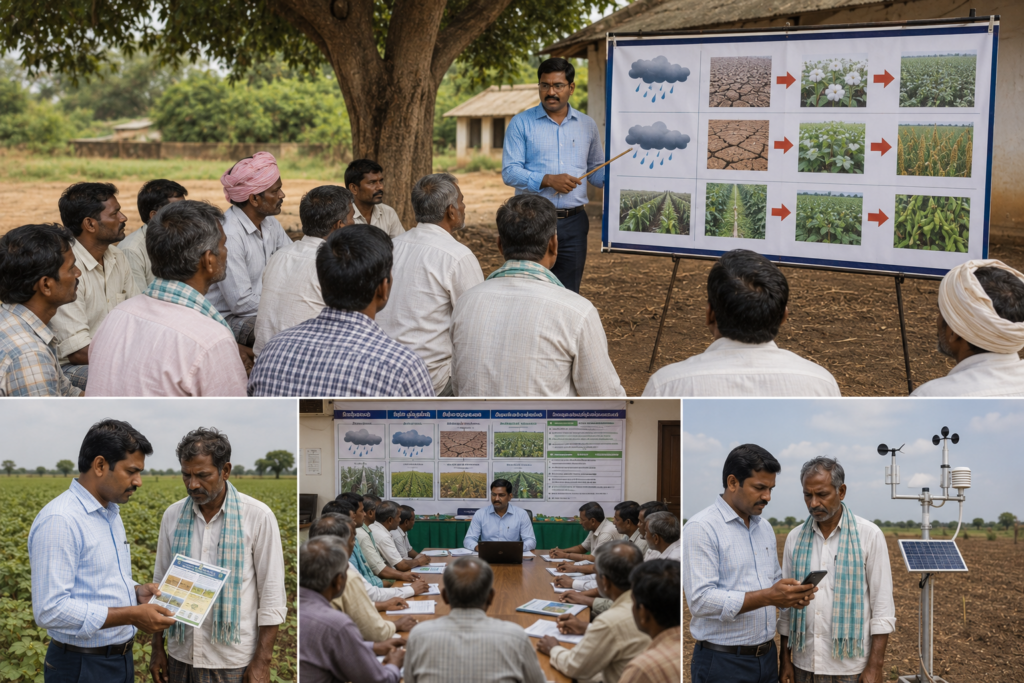
With below-normal rainfall and uncertainty surrounding monsoon progress, the Agriculture Department has activated contingency crop plans for Nirmal district to help farmers navigate potential delays in seasonal rainfall. The preparedness strategy has been designed to minimize agricultural losses and provide farmers with alternative cultivation options if rainfall conditions remain unfavorable through July and August. Officials stated that the contingency plans outline crop-specific recommendations based on different rainfall scenarios. These guidelines are intended to assist farmers in making timely decisions regarding sowing schedules, crop selection, and field management practices should the monsoon continue to underperform. The department has prepared alternative cultivation strategies for areas experiencing delayed rainfall, including recommendations for short-duration and drought-tolerant crop varieties that can be successfully grown even if planting is postponed. Agriculture experts believe that such planning is crucial for reducing risks associated with unpredictable weather patterns and ensuring that available soil moisture is utilized effectively. Extension officers have been instructed to conduct awareness programs and provide regular advisories to farmers regarding suitable crop choices and revised sowing windows. Authorities emphasized that the contingency measures are precautionary in nature and are intended to help farmers remain prepared for various weather outcomes rather than create alarm. Officials also noted that agricultural departments across the region are continuously monitoring rainfall patterns, reservoir levels, and weather forecasts. Based on evolving conditions, additional recommendations may be issued to support farmers throughout the Kharif season. The initiative reflects the government’s proactive approach toward climate-related agricultural challenges and aims to safeguard crop productivity, reduce financial risks, and provide farming communities with a clear roadmap for managing delayed monsoon conditions effectively.

Agriculture Department Activates Contingency Crop Plans Amid Rainfall Uncertainty Read More »

Agriculture Department Urges Farmers Not to Panic Over Delayed Monsoon

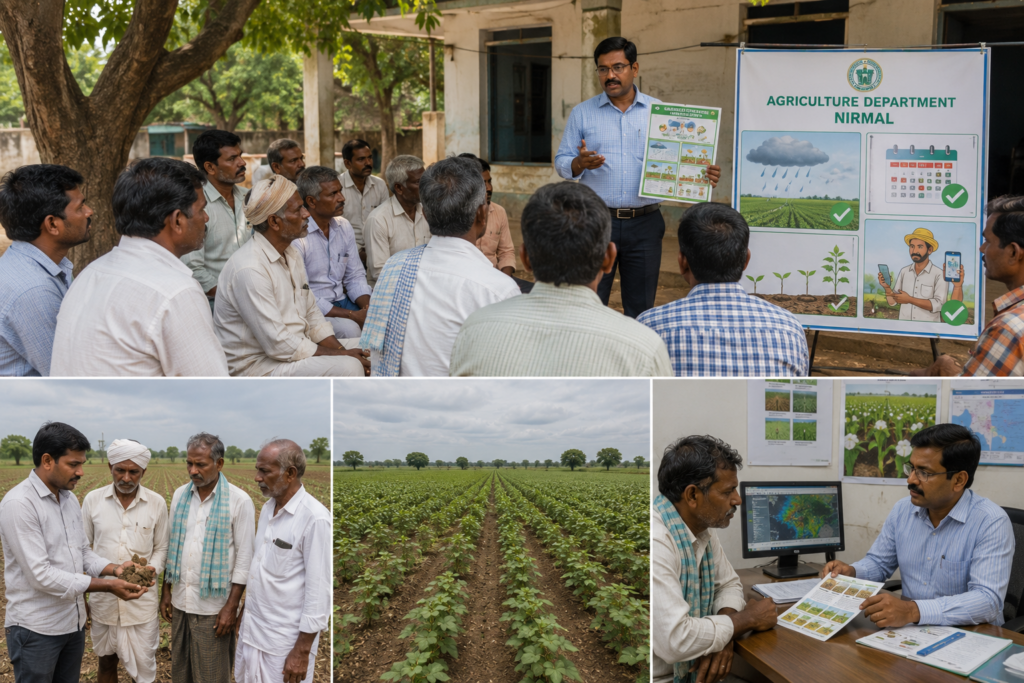
Amid concerns over below-normal rainfall and delayed monsoon activity, the Agriculture Department has advised farmers in Nirmal district not to panic and assured them that there is still sufficient time remaining in the Kharif season for successful crop cultivation. Officials have appealed to farmers to make informed decisions based on weather forecasts and agricultural guidance rather than rushing into sowing operations. According to agriculture experts, while the monsoon has been slower than expected in several parts of North Telangana, the current situation does not warrant alarm. Officials clarified that the sowing window for major crops, particularly cotton, remains open and that favorable rainfall in the coming weeks can still support normal cultivation activities. The department noted that premature sowing during uncertain weather conditions can lead to germination issues and additional expenses, as seen in some areas where farmers were forced to re-sow crops following prolonged dry spells. Farmers have therefore been encouraged to assess soil moisture conditions carefully and follow recommendations issued by agricultural extension officers. Authorities are also closely monitoring weather patterns and maintaining regular communication with farming communities. Advisory services are being provided regarding suitable crop varieties, sowing schedules, and moisture management practices to help minimize risks associated with delayed rainfall. Agricultural officials expressed confidence that if the monsoon strengthens as forecasted, farmers will still be able to complete sowing activities within the recommended timeframe. They urged cultivators to remain patient and utilize scientific agricultural advice while planning field operations. The department reiterated its commitment to supporting farmers throughout the season and ensuring timely guidance to help safeguard crop productivity despite the slow start to the monsoon.

Agriculture Department Urges Farmers Not to Panic Over Delayed Monsoon Read More »

Poor Cotton Germination Forces Farmers to Re-Sow Fields in Nirmal

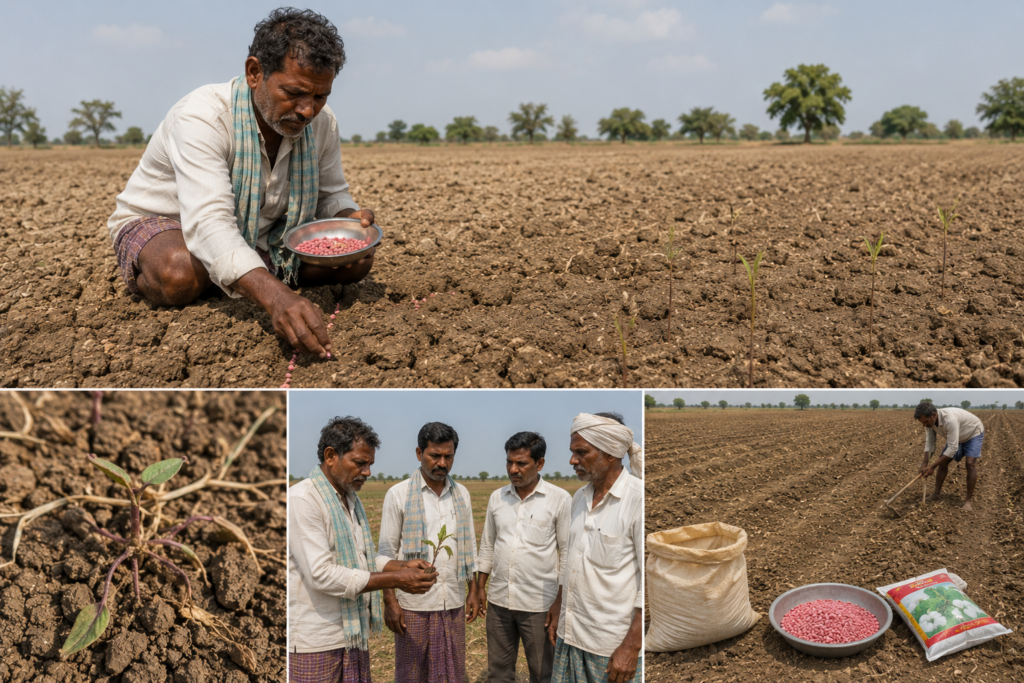
Farmers across Nirmal district are facing mounting challenges during the ongoing Kharif season as poor rainfall and prolonged dry conditions have led to widespread cotton seed germination failures. Many cultivators who sowed their fields in anticipation of timely monsoon showers are now being forced to undertake re-sowing operations, resulting in additional financial burdens. According to farmers, the initial sowing was carried out after receiving early rainfall, but the subsequent dry spell prevented adequate soil moisture from being maintained. As a result, a significant portion of the cotton seeds either failed to germinate or produced weak plant growth, making it necessary for farmers to replant their fields. The unexpected setback has increased cultivation expenses considerably. Farmers now have to purchase fresh seed stocks, arrange labor for re-sowing, and spend additional amounts on fertilizers, fuel, and other agricultural inputs. Many cultivators have expressed concern that the extra expenditure will affect their profitability, especially if weather conditions remain uncertain. Agricultural experts note that cotton crops require consistent moisture during the germination stage. Extended dry periods immediately after sowing can severely impact crop establishment and reduce overall productivity. Officials are monitoring field conditions and advising farmers to assess soil moisture levels carefully before undertaking further sowing activities. The situation has created anxiety among farming communities, as successful crop establishment during the early season is critical for achieving good yields later in the year. Farmers are hoping for widespread and timely rainfall in the coming weeks to stabilize crop growth and prevent further losses. The episode highlights the growing challenges posed by erratic weather patterns and their impact on agricultural planning, costs, and rural livelihoods in the district.

Poor Cotton Germination Forces Farmers to Re-Sow Fields in Nirmal Read More »

Rainfall Deficit Raises Concerns for Kharif Farmers in Nirmal

A significant rainfall deficit in Nirmal district has emerged as a major concern for farmers as the Kharif cultivation season gets underway. Despite the official onset of the monsoon, several parts of the district have received below-normal rainfall, delaying agricultural activities and creating uncertainty among farming communities. Farmers who typically begin sowing operations with the arrival of seasonal rains are now facing challenges due to insufficient soil moisture. The lack of adequate rainfall has slowed land preparation, seed sowing, and other crucial agricultural activities, forcing many cultivators to postpone their plans while waiting for improved weather conditions. Agriculture experts note that timely rainfall is essential during the early stages of the Kharif season, as it supports seed germination and crop establishment. Prolonged dry conditions could affect crop acreage and potentially increase cultivation costs if farmers are forced to rely on alternative irrigation sources. The rainfall shortage is not limited to Nirmal alone, with several districts across North Telangana reporting similar conditions. This has heightened concerns about the overall progress of the Kharif season and the impact on agricultural productivity if monsoon activity does not improve in the coming weeks. Farmers have urged authorities to closely monitor weather patterns and provide timely guidance regarding crop planning and water management. Agricultural officials are also advising cultivators to remain cautious while making sowing decisions and to utilize available irrigation resources wherever possible. With agriculture serving as a primary source of livelihood for thousands of families in the district, the performance of the monsoon over the next few weeks will play a crucial role in determining the success of the Kharif season and the economic prospects of rural communities.

Rainfall Deficit Raises Concerns for Kharif Farmers in Nirmal Read More »

Listings
News
Home
Jobs
Contact